Belgian Beer: World Heritage & Award Winners
Stepping into a Belgian bar feels different. The hush, the clinking of specific glasses, the deep aroma of yeast and malt – it is a sensory experience, honestly. It is no wonder that the country's rich brewing tradition has been recognized as unesco belgian beer world heritage, a global acknowledgment of its profound cultural significance. This isn't just about making good beer; it is about a way of life, a history stretching back centuries. This article dives into what makes Belgian beer culture so special, exploring its UNESCO status and the diverse array of brews that have earned the title of `best belgian beer in the world`. We will look at the revered Trappist ales, discover some recent `world beer awards belgian winner` selections, and offer practical tips for anyone hoping to truly experience this liquid heritage firsthand. Get ready to explore the unique tastes and stories behind some of the planet's most celebrated beers.Book your belgian beer world experience:
Belgian Beer Culture: A UNESCO World Heritage Treasure
In 2016, UNESCO officially recognized Belgian beer culture as an Intangible Cultural Heritage of Humanity. This wasn't a designation for a specific brewery or a single beer style. Instead, it was an honor bestowed upon the entire ecosystem surrounding beer in Belgium. This includes everything from the vast diversity of brewing methods and unique fermentation techniques to the special glasses, the food pairings, and even the social rituals of sharing a brew in a local cafe. It is a comprehensive acknowledgment of how deeply beer is woven into the fabric of daily life here. Think about it: nearly every town, big or small, has its own brewery or at least a distinct local beer. Some of these traditions are incredibly old, like those tied to abbeys, while others are innovative and modern. The sheer variety is staggering. You can find everything from tart lambics, spontaneously fermented in Brussels, to strong, dark Trappist ales from quiet monasteries. This `beer culture belgian world heritage` status means the world recognizes that this isn't just about a drink, but a living, breathing tradition passed down through generations. People here learn about beer from a young age. Kids might even get a taste of a low-alcohol table beer with dinner. It is not about getting drunk; it is about appreciating craftsmanship, history, and flavor. There are schools dedicated to brewing, museums, and countless festivals celebrating the golden liquid. This widespread involvement, from brewers to consumers, is a huge part of why the culture thrives and was deemed worthy of such an important international designation.Pro tip: When visiting a traditional Belgian café, take your time. Observe the locals, notice the specific glass each beer is served in, and ask the barkeeper for a recommendation. They know their stuff and can guide you to a perfect local pour.
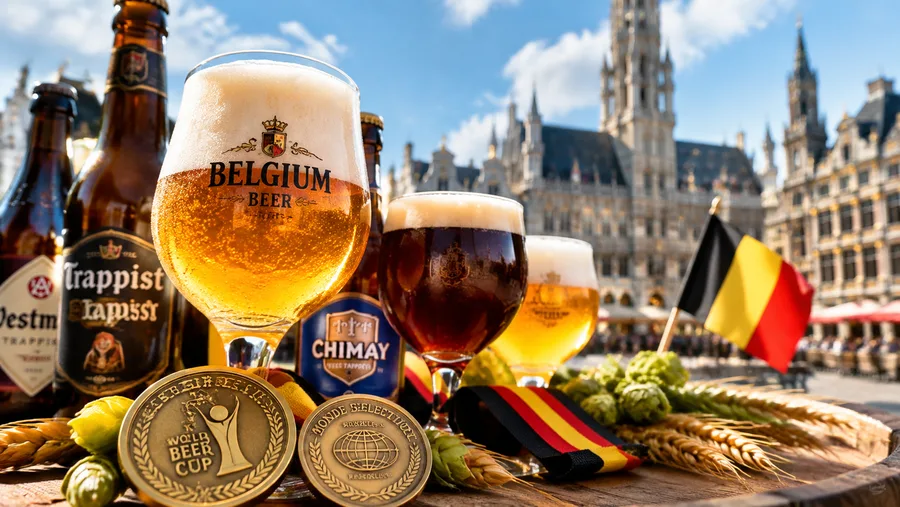
The Monastic Brews: Best Beer in the World Belgian Monks
When people talk about the `best beer in the world belgian monk` brewers are often at the top of the list. These are the Trappist beers, brewed within the walls of Cistercian monasteries under strict guidelines. There are only a handful of genuine Trappist breweries in the world, and six of them are right here in Belgium. These monks produce some truly exceptional beers, famous for their quality and distinct character. The rules for a beer to be called "Trappist" are quite specific. First, the beer must be brewed within the walls of a Trappist monastery. Second, it must be brewed by or under the supervision of the monks themselves. Third, and perhaps most importantly, the income generated from selling the beer must be used for the needs of the monastery and its charitable works. This isn't a profit-driven enterprise; it is a means of sustaining their contemplative life and supporting their community. This commitment to principle definitely contributes to the mystique and appeal of the `best beer in the world belgian trappist` varieties. Each Trappist brewery has its own unique recipes and styles. Westvleteren, for example, is legendary for its scarcity and exceptional flavor, often cited as the `best beer in the world belgian monks` produce, though good luck finding it. Chimay, Orval, Rochefort, Achel, and Westmalle are other prominent names, each with their signature Dubbels, Tripels, and Quads. These are often strong, complex beers, meant to be savored slowly, perhaps with a good book or in quiet contemplation. You will find them in specialty beer stores and some excellent bars, but don't expect them to be cheap.- Westmalle: Known for its Tripel and Dubbel, classic examples of their styles.
- Chimay: Produces Red, White, and Blue labels, with the Blue often considered a top-tier strong dark ale.
- Rochefort: Its 6, 8, and 10 are highly regarded, especially the Rochefort 10, a rich quadrupel.
- Orval: A unique, single-brewery beer with a distinct Brettanomyces yeast character, evolving beautifully with age.
- Achel: One of the smaller Trappist breweries, offering blonde and dark ales.
Beyond the Monks: Award-Winning Belgian Beers
While the Trappist beers rightly earn immense respect, the `best belgian beer in the world` isn't exclusively brewed by monks. Belgium's brewing landscape is incredibly diverse, producing an astonishing array of styles that consistently win international awards. From refreshing saisons to complex strong dark ales, there is a Belgian beer out there for every palate. Many commercial breweries, some with centuries of history, are pushing boundaries and perfecting classic recipes. Take Blanche de Bruxelles, for instance. This crisp, cloudy wheat beer, a `blanche bruxelles world beer awards belgian winner`, is a fantastic example of a traditional witbier. It is light, spiced with coriander and orange peel, and incredibly refreshing, especially on a warm day. Then you have something like Tongerlo, another `tongerlo world beer awards belgian winner`, often praised for its balanced, flavorful abbey ales that beautifully bridge the gap between monastic tradition and commercial accessibility. These beers prove that excellence is found across the entire spectrum of Belgian brewing. The World Beer Awards, among others, regularly highlight Belgian excellence across numerous categories. This isn't just about one style dominating; it is about the mastery of fermentation, the quality of ingredients, and the dedication to craft across the board. Whether you prefer a tart fruit lambic, a funky gueuze, a powerful strong ale, or a simple, elegant blonde, chances are a Belgian version has probably won some serious accolades. It is a testament to the country's deep brewing knowledge and willingness to experiment while honoring tradition.Note: Some award-winning beers can be quite specific to certain regions or even seasonal. If you are hunting for a particular award winner, check local specialty beer shops or reputable beer bars, as they often have the best selection.
| Beer Name | Style | Brewery | Notable Award Example | ABV (approx.) |
|---|---|---|---|---|
| Blanche de Bruxelles | Witbier (White Beer) | Brasserie Lefebvre | World Beer Awards (Best Belgian Style Witbier) | 4.5% |
| Tongerlo Blonde | Belgian Blonde Ale | Haacht Brewery | World Beer Awards (Best Belgian Style Blonde) | 6.0% |
| Gulden Draak Classic | Strong Dark Ale | Brouwerij Van Steenberge | Multiple International Awards | 10.5% |
| Duvel | Belgian Strong Golden Ale | Duvel Moortgat | Numerous Gold Medals | 8.5% |
| Kriek Boon | Fruit Lambic (Cherry) | Brouwerij Boon | Brussels Beer Challenge (Gold) | 4.0% |
Book your belgian beer world experience:
Experiencing Belgian Beer Culture
To truly appreciate the `beer culture belgian world heritage`, you need to do more than just drink the beer. You need to immerse yourself. Start by visiting a traditional brown café, or "bruin café," as they are called. These cozy, often dimly lit pubs are institutions, full of character and history. They are the perfect place to sample a wide variety of beers, usually with a knowledgeable barkeeper who can tell you stories about each one. Many offer extensive beer menus, sometimes over 100 different options. Consider taking a brewery tour. Many breweries, both large and small, open their doors to visitors, offering insights into their brewing process and history. It is a great way to see the passion and precision that goes into each bottle. In Brussels, for example, you can explore the modern Belgian Beer World, a fantastic museum and tasting experience housed in the historic stock exchange building. I think it is a really well-done exhibit, very engaging. Don't forget about food pairings. Belgian beer is not just for drinking on its own; it is a fantastic companion to food. Mussels steamed in gueuze, beef stew (carbonnade flamande) cooked in dark beer, or even just a simple cheese board with a strong Tripel – the combinations are endless and delicious. Ask your server for recommendations; they will usually have excellent suggestions.- Visit a Brown Café: Seek out these traditional pubs for an authentic atmosphere and extensive beer lists.
- Try Beer with Food: Pair your chosen brew with local dishes like mussels, frites, or carbonnade flamande.
- Explore a Brewery: Many breweries offer tours and tastings, providing insight into the brewing process.
- Attend a Festival: Belgium hosts numerous beer festivals throughout the year; check local listings for dates.
- Buy Local Glasses: Each Belgian beer often has its unique glass; collecting them is a fun souvenir.
Frequently Asked Questions about unesco belgian beer world heritage
Why is Belgian beer considered World Heritage?
Belgian beer culture was recognized by UNESCO in 2016 for its rich diversity, historical significance, traditional brewing methods, and its deep integration into the social and cultural fabric of the country.
What makes Trappist beer special?
Trappist beers are brewed by or under the supervision of Trappist monks within the walls of a monastery, with all profits going to support the monastic community and its charitable works, ensuring both quality and ethical production.
Where can I try the best Belgian beers?
You can find exceptional Belgian beers in traditional brown cafés across the country, specialty beer shops, dedicated beer restaurants, and at modern attractions like Belgian Beer World in Brussels.
Quick Reference
- UNESCO status: 2016
- Over 1,500 distinct Belgian beers
- 6 active Trappist breweries in Belgium
- Common styles: Dubbel, Tripel, Saison, Witbier, Lambic
Book your belgian beer world experience:
My Take on the Belgian Beer Experience
Honestly, visiting Belgium just for the beer is a completely valid travel plan. It is more than just tasting different brews; it is about connecting with a tradition that spans centuries, a genuine part of the country's identity. From the solemnity of a Trappist monastery to the lively chatter of a city square during a beer festival, the experiences are as varied as the beers themselves. The `best beer in the world belgian` claim might sound bold, but once you start exploring, you understand why so many believe it. The dedication to quality, the sheer diversity, and the cultural significance make it an unparalleled adventure for any beer lover. So, next time you are planning a trip, consider a deep dive into this incredible world. You will not regret it.Read more about belgian beer world.